
This Week — 9/23 Dr. Anshu Chandra —Global Eye Program
Recent Speakers
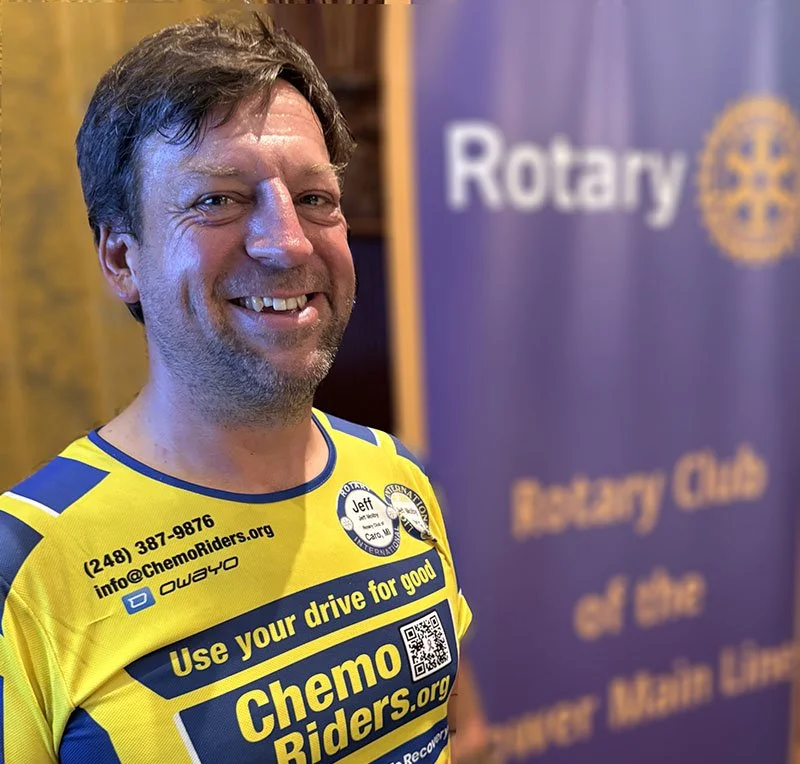
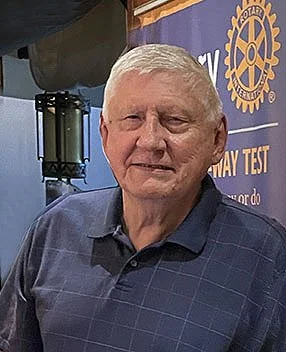
Jeff Molby, a Rotarian from Michigan has cycled 22,176 miles across the country to promote the American Cancer Society's Road to Recovery program, which provides free rides to cancer patients for treatment appointments. Jeff shared personal stories about his journey and encouraged Rotarians to volunteer as drivers for the program, noting that most communities need more volunteers to meet demand.
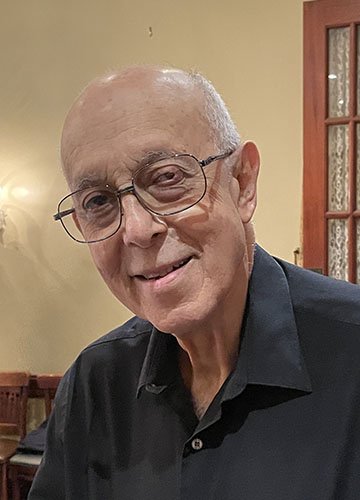
Rotarian Len Goldman offered a look at fossil fuel production, covering the formation of oil and gas from ancient algae, drilling techniques, well casing methods, and the history of oil exploration from early hand-dug wells to modern horizontal drilling. The presentation included information about seismic testing, logging techniques, and the differences between oil spills in the Gulf of Mexico versus Alaska, concluding with discussions about the transition to renewable energy sources like solar, wind, and geothermal power.
Andrew Bunting, Vice President of Horticulture at PHS (Pennsylvania Horticultural Society), presented an extensive overview of PHS's mission and programs, including their public gardens and landscapes portfolio that maintains 30 public gardens totaling 80 acres throughout Philadelphia; their Healthy Neighborhoods program that partners with 200 community gardens through the City Harvest initiative and tree planting programs; and their workforce development and vacant lot transformation efforts that have created over 300 permanent jobs in Philadelphia. His presentation also covered PHS's Philadelphia Flower Show that’s been running since 1829.
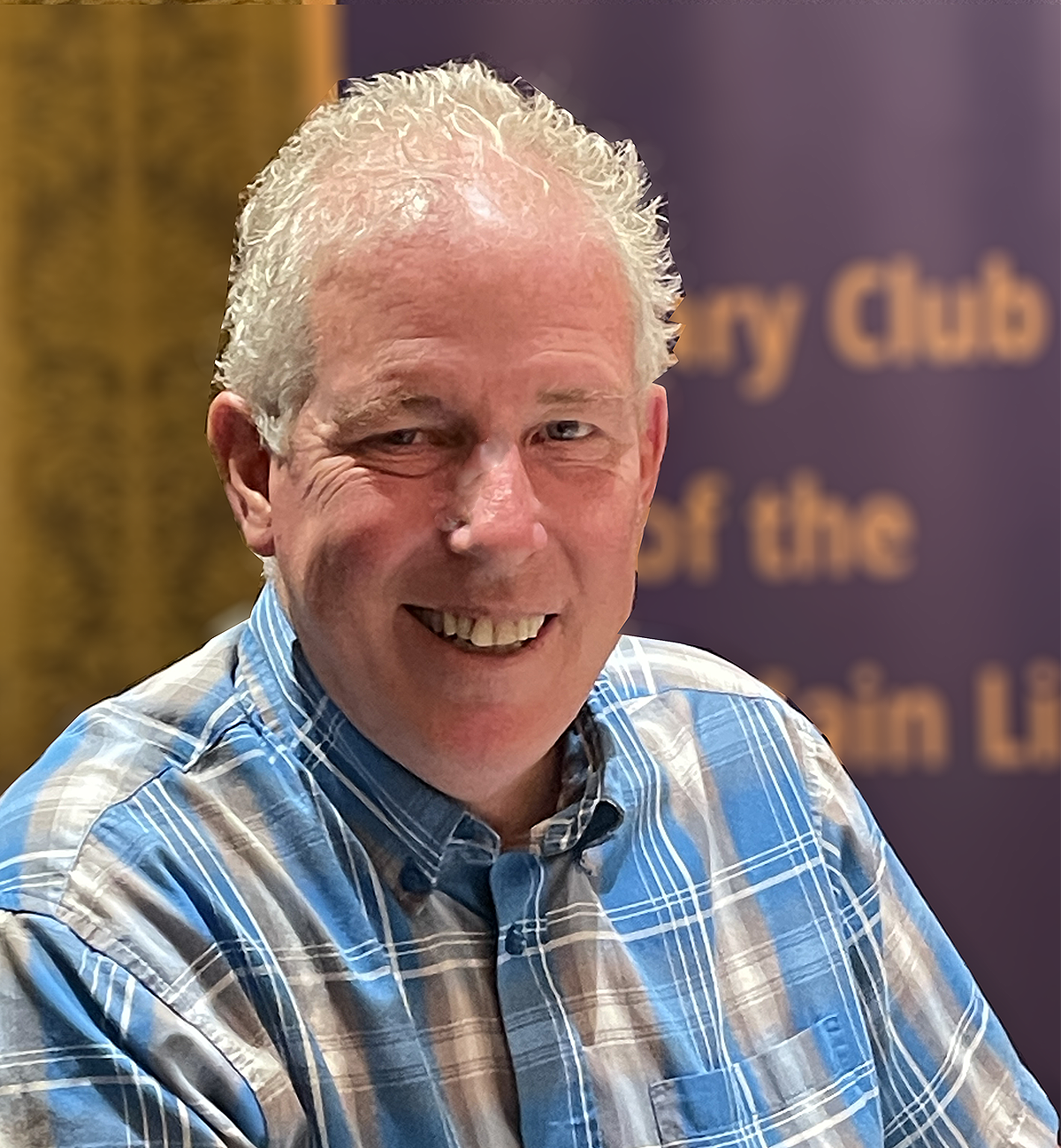
Keith Muller, besides being installed as a new member of our club, contributed his knowledge of soils of the Amazon rain forest, including new research that suggests the importance of charcoal in soil revitalization, potentially restoring vast regions left to treeless ruin.